

In a bold and unprecedented move, controversial figure Tommy Robinson has declared a monumental Christmas event aimed at revitalizing the Christian spirit across the United Kingdom—a rallying cry to “PUT CHRIST BACK” into the nation’s cultural fabric. Scheduled for later this month, this event is set to draw crowds of thousands, igniting fervor and igniting a polarizing debate about faith, identity, and the future of Britain.
The urgency of Robinson’s announcement reverberates through the air as he proclaims his mission to restore what he perceives as a lost connection to Christianity amid an increasingly secular society. “This is not merely a gathering; it’s a movement,” Robinson declared emphatically, underscoring his desire to reinvigorate Christian values during a time when he feels they are under siege. The event promises to be an electrifying amalgamation of speeches, performances, and open discussions, celebrating the birth of Christ while addressing critical socio-political issues that Robinson claims challenge the nation’s core beliefs.
The setting itself is poised to be symbolic: a prominent venue in a major city that embodies the historical roots of Christianity in Britain. Early indications suggest that attendees will include not just followers of Robinson but also families, church groups, and concerned citizens who resonate with his clarion call. This is not merely an invitation to partake in festive traditions; it is a rally for rights, a defense of religious freedom, and a declaration of the right to express faith in the public sphere—all under the banner of “Christ at Christmas.”
Recent surveys indicate a growing unease among many Britons who feel that the essence of Christmas is being diluted, overshadowed by commercialism and political correctness. Robinson’s event taps into this sentiment, positioning itself as a quintessential answer to a perceived crisis of cultural identity. Critics, however, fear that his rhetoric may exacerbate divisions within a society that is already grappling with questions of tolerance and coexistence.
Robinson’s strategy seems clear: capitalize on the season of goodwill by blending traditional Christmas cheer with a potent political message. “We must stand together to reclaim our heritage,” he insisted during his announcement, as supporters cheered in the background. This declaration, however, has set the stage for fervent debate—not just within the ranks of his supporters but also among detractors who vow to challenge his vision for a more Christian-led narrative in public life.

The countdown to the event has already begun, not just in the logistical sense of planning and preparation, but also in the quickening pulse of societal dialogue. While Robinson’s supporters envision a night of triumph and unity, others conjure images of counter-protests and heightened tensions as opposing factions prepare to make their voices heard. Online discourse has exploded since the announcement, with social media platforms becoming battlegrounds for conflicting ideologies.
In cities across the UK, discussions are igniting as citizens reconvene around kitchen tables and pubs, contemplating what this event means for their communities. Will it be an opportunity for renewal and reflection, or a flashpoint for unrest and division? Robinson’s followers argue it is high time to put faith back into the conversation, while critics worry this could escalate into a divisive spectacle, breeding more animosity rather than unity.
As the date approaches, there’s a palpable sense of anticipation—both exhilarating and unnerving. Local authorities are now on high alert, preparing for potential disturbances as they monitor public sentiment. Security measures are being discussed to safeguard not just the event itself but the city as a whole. Robinson has expressed his intention to ensure a peaceful gathering, yet the undertones of urgency and unpredictability loom large.
For many, this Christmas event echoes deeper than the seasonal festivities; it underscores a broader cultural struggle that Britons face today. Robinson’s electrifying vision invites supporters and onlookers alike to ponder profound questions about the nation’s values, identity, and the role of faith in modern life. He insists that this is just the beginning—a catalyst for a larger movement seeking to reclaim the legacy of Christianity as the guiding principle for British life.

As we gear up for this monumental day, the nation’s eyes will be fixed on the unfolding events—watching with bated breath to see if this rally will flourish as a beacon of hope and faith or spiral into chaos and conflict. In a climate charged with both enthusiasm and trepidation, one thing is certain: Tommy Robinson’s Christmas event is positioned to make waves, stirring emotions across the spectrum of British society.
Stay tuned, as this story develops and we report live from the front lines of this unprecedented cultural moment in the UK. The path ahead is uncertain, but one thing is glaringly evident: the debate over faith and identity in Britain is fierce, and it’s far from over.
Piers Morgan has uncovered compelling evidence suggesting that the Duchess of Sussex may have misled the public about her pregnancy and its implications. This extraordinary claim, delivered with characteristic intensity by the outspoken journalist, has generated an immediate wave of media frenzy and left royal watchers gripping their seats with shock and disbelief.
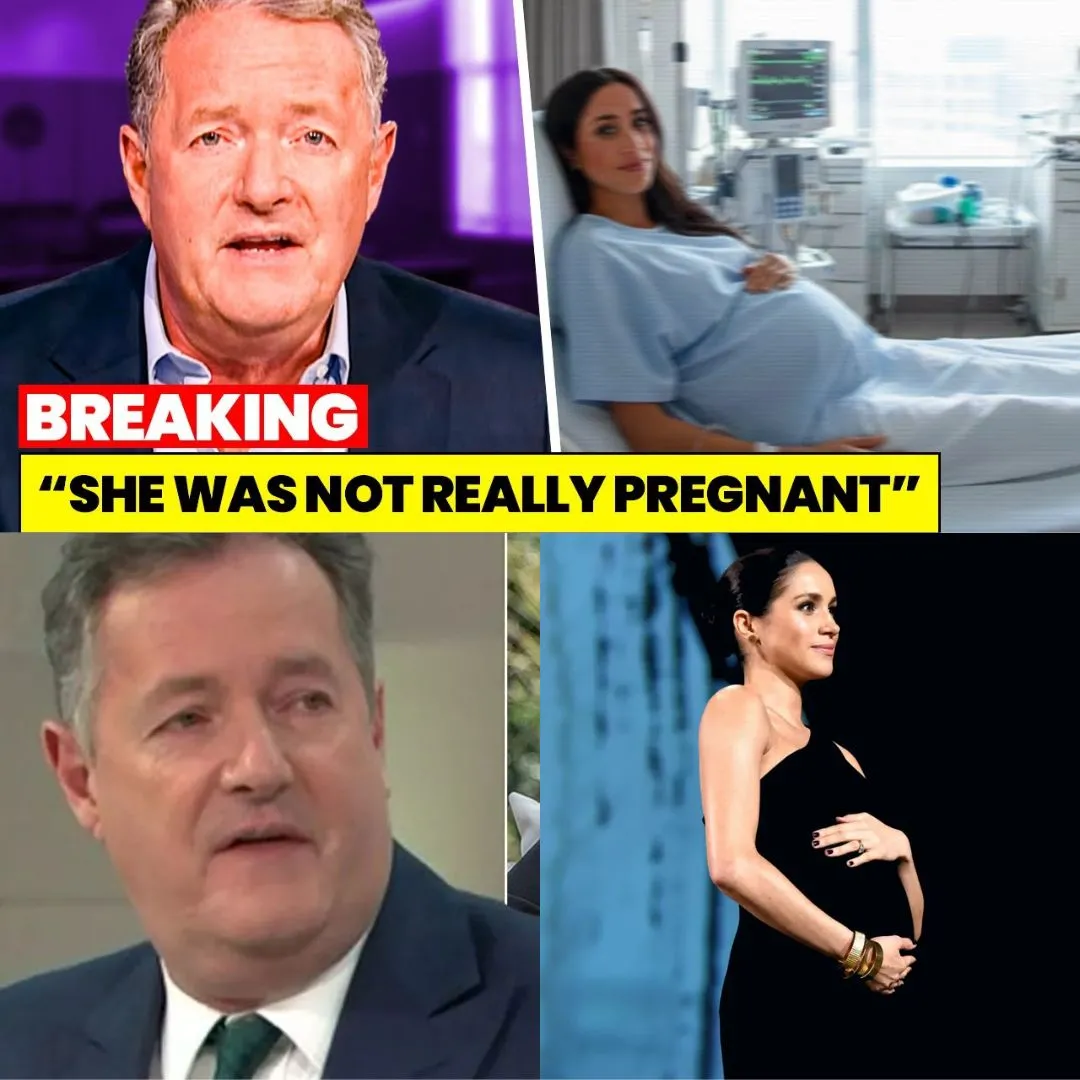
In a shocking revelation that could shatter the carefully curated public image of Meghan Markle, Piers Morgan has uncovered compelling evidence suggesting that the Duchess of Sussex may have misled the public about her pregnancy and its implications. This extraordinary claim, delivered with characteristic intensity by the outspoken journalist, has generated an immediate wave of media frenzy and left royal watchers gripping their seats with shock and disbelief.


